Source cutting 6000 series aluminum sheet for Heat Sink, Door & Window, Transportation Tools
Compare 30 listings for cutting 6000 series aluminum sheet from verified Chinese suppliers. Evaluate grades like 6061, thickness options, and surface treatments for heat sinks, door and window frames, and transportation tools.
Key considerations
Products List


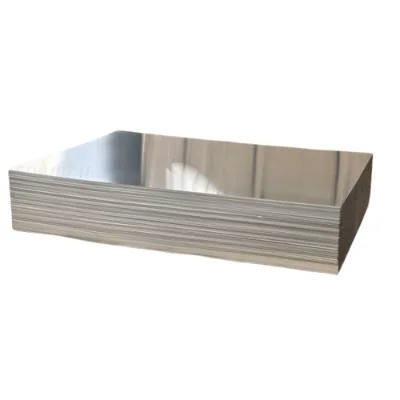
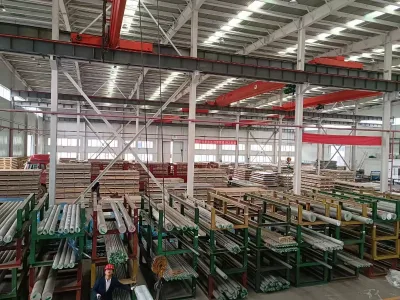


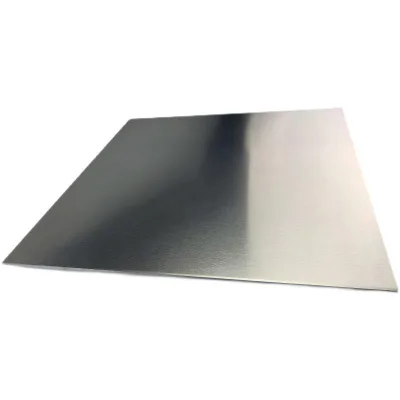


Comprehensive Sourcing Guide
Strategic Sourcing Guide for Cutting 6000 Series Aluminum Sheet
Procuring cut 6000 series aluminum sheet requires a disciplined approach that balances technical precision with supply chain reliability. The 6000 series, characterized by its magnesium and silicon alloying ingredients, offers a unique combination of formability, weldability, and medium-to-high strength, making it a preferred choice for structural applications. However, the market is fragmented with varying grades, temper conditions, and processing capabilities. This guide synthesizes observed market data and verified product attributes to provide a framework for evaluating suppliers and ensuring the acquisition of material that meets specific engineering and compliance requirements.
Technical Specifications and Grade Verification
The foundation of any successful procurement begins with verifying the exact alloy composition and temper. While the core keyword specifies "6000 series," the supplied product data indicates a broader market presence of various aluminum grades, including the 1000, 3000, 5000, and 6000 series. Buyers must explicitly confirm that the supplier is providing a 6000 series alloy, such as 6061, which is frequently cited in the observed data as a standard specification. The 6000 series is distinct from the 5000 series (magnesium-based) and the 1000 series (commercially pure aluminum) in its heat-treatable nature.
Thickness and dimensional tolerances are critical for cutting operations. The observed market data lists thickness ranges from 0.4mm to 6mm, with widths available between 20mm and 1800mm. Lengths are often customized to specific project requirements. When sourcing cut sheets, the buyer must verify that the supplier's cutting machinery can maintain the required tolerances for the specific thickness being ordered. The data also notes that surface treatments vary, with "Mill Finish" being a common baseline, though options like "Electrophoretic Coating" and "Chemical Polishing" are available for specialized applications.
Temper conditions significantly influence the mechanical properties of the sheet. The observed listings show a wide spectrum of temper states, ranging from O (annealed) to H112 (strain-hardened), and T3 through T8 (heat-treated). For the 6000 series, the T6 temper is the most common for structural applications, offering a balance of strength and ductility. Buyers should not assume a specific temper is available without explicit confirmation, as the market data shows suppliers offering everything from O-H to T3-T8. The selection of the correct temper is vital, as it dictates the material's response to cutting, bending, and welding processes.
Compliance, Certification, and Standard Adherence
In the global aluminum market, compliance with international standards is non-negotiable for ensuring material consistency and safety. The observed product attributes highlight a robust adherence to multiple international standards, including BS, ANSI, JIS, GB, GOST, ASTM, and DIN. When sourcing 6000 series aluminum, the buyer must verify that the specific sheet conforms to the relevant standard for their industry, such as ASTM B209 for general aluminum and aluminum-alloy sheet and plate.
Certification status is another critical verification point. The data indicates that many suppliers hold ISO9001 certification, which validates their quality management systems. Additionally, specific product certifications like ASTMB and GB are mentioned, alongside CE marking for alloying ingredients in certain contexts. It is essential to request current, valid certificates of analysis (COA) and material test reports (MTR) that trace the chemical composition and mechanical properties back to the specific heat lot. The presence of an ISOCondition:New status suggests that the material is fresh and not recycled or re-melted, which is crucial for maintaining the integrity of the 6000 series alloy.
Buyers should be wary of suppliers who cannot provide documentation linking their product to the specific standard (e.g., ASTM or GB) claimed. The market data shows a mix of "Standard Specifications" and "Customized" standards. For 6000 series applications, relying on a generic "Standard Specifications" label without specific ASTM or DIN references can lead to performance failures. The verification process must include a check of the supplier's ability to produce material that meets the exact chemical composition limits for the 6000 series, particularly the magnesium and silicon content.
Cost Drivers and Pricing Dynamics
The pricing of cut 6000 series aluminum sheet is influenced by a complex interplay of raw material costs, processing complexity, and order volume. The observed price range in the market spans from $1.8 to $3915, a variance that reflects differences in sheet size, thickness, alloy grade, and customization level. A sheet of 6061-T6 with a thickness of 6mm will naturally command a higher price per unit than a thinner, 1060-grade sheet.
Minimum Order Quantity (MOQ) is a significant cost driver. The observed MOQ ranges from 1 unit to 3000 units. For small-batch prototyping or custom cutting projects, buyers may face higher per-unit costs due to the setup time for cutting machinery. Conversely, bulk orders of 3000 units or more can leverage economies of scale, reducing the unit price. However, buyers must balance this against inventory holding costs. The data also notes that delivery times can vary, with some suppliers offering 8-10 day lead times, while others specify 15-20 workdays after receiving a deposit. Longer lead times may be associated with custom thicknesses or specialized temper conditions, which can impact the overall project timeline and cost.
Customization is a primary factor in pricing. The market data confirms that "Customization" and "OEM & ODM Custom" are widely accepted services. If a buyer requires specific cut lengths, unique edge treatments, or non-standard packaging, the cost will increase. The "Safe Package" and "Export Standard Seaworthy Wooden Pallets" options mentioned in the data add to the logistical cost but are essential for preventing damage during transit. Buyers should request a detailed breakdown of costs, separating the base material price from cutting fees, packaging, and shipping to understand the true cost drivers.
Typical Applications and Performance Requirements
The versatility of 6000 series aluminum makes it suitable for a diverse array of applications. The observed product attributes list applications ranging from "Metal Casting Machinery" and "Metal Processing Machinery Parts" to "Transportation Tools" and "Door & Window" systems. The 6000 series is particularly valued in the transportation sector for its strength-to-weight ratio, making it ideal for automotive frames and structural components. In the construction industry, it is frequently used for glass walls and curtain walls due to its corrosion resistance and aesthetic appeal.
When selecting a supplier, buyers must align the material properties with the intended application. For instance, if the sheet is destined for "Metal Cutting Machine" components, the temper condition must be stable enough to withstand machining stresses without warping. For "Transportation Tools," the alloy must meet specific fatigue and impact resistance standards. The data also mentions "Heat Sink" applications, where thermal conductivity is paramount. While 6000 series is generally good for heat dissipation, the specific alloy grade and temper must be verified to ensure it meets the thermal requirements of the application.
The "Application" field in the data also includes "Metal Coating Machinery" and "Metal Spinning Machinery." This suggests that the material must often undergo secondary processing. Buyers should ensure that the supplier's material is compatible with the intended finishing processes, such as anodizing or painting. The "Surface Treatment" options like "Mill Finish" or "Electrophoretic Coating" indicate that the supplier may offer pre-finished products, which can reduce the buyer's processing time and cost. However, for 6000 series, the surface preparation prior to coating is critical, and the supplier must demonstrate expertise in this area.
Supplier Evaluation and Operational Capabilities
Evaluating a supplier for 6000 series aluminum sheet requires a deep dive into their operational capabilities and geographic footprint. The observed data shows suppliers located in various regions of China, including Henan, Shandong, and Pingyin County, Jinan City. While the location itself does not determine quality, it provides insight into the supply chain logistics. Suppliers in industrial hubs like Shandong often have access to a robust network of raw material producers and processing facilities, which can lead to more competitive pricing and faster lead times.
The "Processing Service" capabilities are a key differentiator. The data explicitly mentions "Cutting" as a service, which is central to the core keyword. Buyers must verify that the supplier possesses the necessary cutting technology, such as CNC shearing, laser cutting, or waterjet cutting, to handle the specific thickness and dimensions required. The ability to offer "Customized" lengths and "Standard Specifications" or "Customized" standards indicates flexibility in meeting unique project needs.
Furthermore, the "Product Name" and "Keywords" fields suggest that suppliers often market their products broadly. A buyer must ensure that the supplier's "Product Name" specifically aligns with "Aluminum Sheet" and that their "Keywords" include "6000 Series" or "6061" to avoid receiving the wrong alloy. The "Type" of product, such as "Plate" or "Industrial Aluminium Profile," also matters. If the project requires a flat sheet rather than a profile, the supplier must clearly distinguish between these forms. The "Shipment Time" of "Within 15-20 Workdays After Receiving Deposit" is a standard metric, but buyers should confirm if this applies to custom orders or if rush orders are available.
Quality Control and Long-Term Procurement Strategy
Quality control is the final barrier to ensuring that the procured 6000 series aluminum sheet meets all requirements. The observed data mentions "ISO9001" certification and "Safe Package" standards, which are positive indicators of a supplier's commitment to quality. However, buyers should implement their own quality control protocols, including incoming material inspections. This should involve verifying the chemical composition against the MTR, checking the temper condition using hardness tests, and inspecting the surface finish for defects such as scratches, dents, or mill scale.
The "Product Packing" options, ranging from "Standard Packaging" to "Export Standard Seaworthy Wooden Pallets," play a crucial role in maintaining quality during transit. For long-distance shipping, the wooden pallets and protective wrapping are essential to prevent moisture damage and physical deformation. Buyers should also consider the "Delivery Time" and "Lead Time" in their long-term strategy. A consistent lead time of 8-10 days or 15-20 workdays allows for better inventory planning. However, for critical projects, a buffer should be added to account for potential delays in raw material supply or customs clearance.
Long-term procurement considerations also involve building a relationship with a supplier who can scale with the buyer's needs. The observed MOQ range of 1-3000 suggests that suppliers are flexible, but a partner who can consistently deliver high-quality 6000 series material at competitive prices is more valuable than one who offers low prices with inconsistent quality. Buyers should prioritize suppliers who offer "OEM & ODM Custom" services, as this indicates a willingness to collaborate on product development and customization. Finally, maintaining a clear record of all certifications, test results, and compliance documents is essential for future audits and quality assurance.
Comparative Analysis of Material Attributes
To facilitate decision-making, the following table summarizes the key attributes observed in the market for aluminum sheet products, highlighting the distinctions relevant to 6000 series sourcing.
| Attribute Category | Observed Market Data | Relevance to 6000 Series Sourcing |
|---|---|---|
| Alloy Grade | 1050, 1060, 1070, 1100, 3003, 3004, 5052, 5083, 6061 | Must explicitly verify 6061 or other 6000 series; 1000/3000/5000 are different alloys. |
| Temper Condition | O - H112, T3 - T8 | 6000 series typically uses T6; verify specific temper for strength requirements. |
| Thickness Range | 0.4 - 6mm | Ensure supplier can cut to required thickness within this range. |
| Width Range | 20 - 1800mm | Verify width availability for large-scale cutting projects. |
| Surface Treatment | Mill Finish, Electrophoretic Coating, Chemical Polishing | Select based on application; Mill Finish is standard, others add cost. |
| Certification | ISO9001, ASTMB, GB, ASTM, DIN | Essential for compliance; verify specific standard for the alloy. |
| Origin | China (Henan, Shandong, Pingyin County) | Logistics and lead times vary by region; verify shipping capabilities. |
| Packaging | Safe Package, Export Standard Seaworthy Wooden Pallets | Critical for preventing damage during international transport. |
This table underscores the importance of specificity. While the market offers a wide array of options, the buyer must filter these to find the exact 6000 series material that meets their technical and operational needs. By rigorously applying the criteria outlined in this guide, buyers can mitigate risks and secure a reliable supply of high-quality 6000 series aluminum sheet.
FAQs
What certifications do cutting 6000 series aluminum sheet suppliers typically hold?
Suppliers typically hold ISO9001 certification and adhere to standards like ASTM, GB, and DIN. Some listings also mention specific product certifications such as ASTMB and CE for alloying ingredients. Buyers should request valid certificates of analysis to verify material integrity.
Which temper conditions are available for 6000 series aluminum sheets?
Available temper conditions range from O to H112 and T3 to T8. The T6 temper is common for structural applications, offering a balance of strength and ductility. Buyers must explicitly confirm the specific temper required as market data shows a wide spectrum of states.
How long is the lead time for cutting 6000 series aluminum sheet orders?
Delivery times vary, with some suppliers offering 8-10 days and others specifying 15-20 workdays after receiving a deposit. Longer lead times may apply to custom thicknesses or specialized temper conditions. Buyers should confirm if rush orders are available for their specific project needs.
Can suppliers provide customized cutting services for 6000 series aluminum sheets?
Yes, customization is widely accepted, including custom lengths and specific cutting services. Suppliers offer OEM and ODM custom options with standard or customized specifications. Buyers should verify the supplier's cutting technology capabilities to ensure they can maintain required tolerances for the specific thickness.
What is the minimum order quantity for cutting 6000 series aluminum sheets?
The minimum order quantity ranges from 1 unit to 3000 units depending on the supplier. Small-batch orders may incur higher per-unit costs due to setup time, while bulk orders leverage economies of scale. Buyers must balance inventory costs against the benefits of larger order volumes.
Where are the primary manufacturing locations for 6000 series aluminum sheets?
Primary manufacturing locations include Henan, Shandong, and Pingyin County in China. Suppliers in these industrial hubs often have access to robust networks of raw material producers. Buyers should consider these locations when evaluating supply chain logistics and potential lead times.
What packaging options are available for shipping cut aluminum sheets?
Packaging options include Safe Package, Standard Packaging, and Export Standard Seaworthy Wooden Pallets. Proper packaging is essential to prevent damage during transit. Buyers should request a detailed breakdown of costs to understand the impact of packaging on the total price.